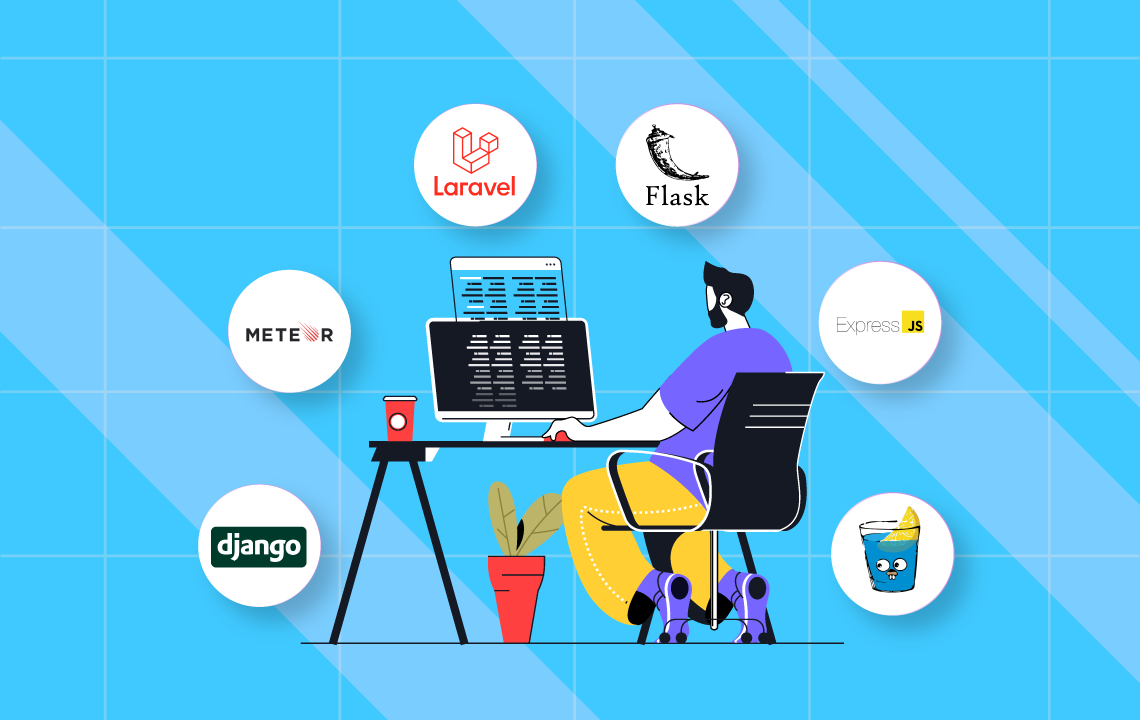
The Future of Backend Development
The landscape of backend development is rapidly evolving, driven by technological advancements and changing industry demands. Modern backend developers are expected to build robust, scalable, and efficient server-side applications that can handle the complexities of today's digital world.
One of the significant trends in backend development is the shift towards microservices architecture. Unlike monolithic applications, microservices break down applications into smaller, independent services that communicate with each other through APIs. This approach offers several benefits, including improved scalability, easier maintenance, and faster deployment cycles.
Serverless computing is another revolutionary trend. With serverless architectures, developers can write and deploy code without worrying about the underlying infrastructure. This model allows for automatic scaling, reduced operational overhead, and cost savings, as you only pay for the compute time you use. Popular serverless platforms include AWS Lambda, Google Cloud Functions, and Azure Functions.
Containerization, powered by tools like Docker and Kubernetes, is transforming how we deploy and manage applications. Containers encapsulate an application and its dependencies, ensuring consistent behavior across different environments. Kubernetes, an open-source container orchestration platform, automates deploying, scaling, and operating application containers, making it easier to manage complex, distributed systems.
The adoption of GraphQL is also on the rise. GraphQL, a query language for APIs, allows clients to request only the data they need, reducing over-fetching and under-fetching issues common with REST APIs. This flexibility and efficiency make GraphQL a preferred choice for many developers.
Additionally, edge computing is gaining traction as a means to process data closer to its source, reducing latency and improving performance. By distributing computing tasks to edge nodes, developers can build more responsive and efficient applications, particularly for IoT and real-time data processing use cases.
As the backend development field continues to evolve, staying updated with these trends and technologies is crucial for developers. Embracing these advancements can lead to more robust, scalable, and efficient applications, ultimately delivering better experiences for end-users.
Back to Home